
Mastering Time and Priorities: how the Urgent vs Important Matrix can transform your business
As business owners, we often feel like we’re running from one urgent task to the next. Fires to put out, meetings to attend, deadlines looming - it can all feel overwhelming. We understand the challenges that come with running a small business. That’s why we’re passionate about equipping business owners with practical tools for better task planning, delegation, and time management.
One of the most effective frameworks? The Urgent vs Important Matrix, also known as the Eisenhower Matrix Matrix.
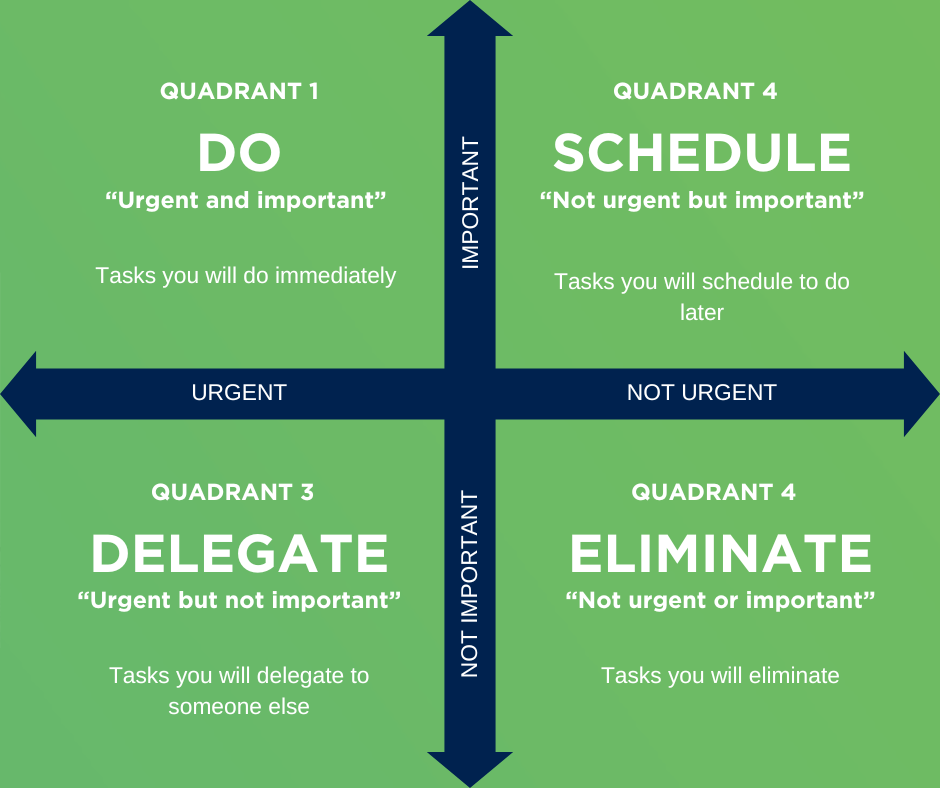
What is the Urgent vs Important Matrix?
The Urgent vs Important Matrix is a simple yet powerful tool for prioritising tasks based on two criteria: urgency and importance. Tasks are categorised into four quadrants:
Urgent & Important: Tasks that must be done immediately - think tax deadlines, client deliverables, or compliance issues.
Important but Not Urgent: Strategic tasks that grow your business over time, such as planning, marketing strategy, or staff development.
Urgent but Not Important: Tasks that demand attention now but don’t contribute significantly to your long-term goals—like some emails, minor requests, or interruptions.
Neither Urgent nor Important: Low-value tasks that can often be eliminated or postponed.
By clearly distinguishing between these quadrants, business owners can focus on what truly drives growth and delegate or remove distractions.
The Art of Delegation
One of the biggest hurdles for small business owners is the temptation to do everything themselves. The Urgent vs Important Matrix highlights tasks that are urgent but not important, which are perfect candidates for delegation.
Effective delegation doesn’t just free up your time - it empowers your team, improves efficiency, and allows you to focus on the tasks that truly require your expertise. For example:
Outsource routine bookkeeping to your accountant to ensure accuracy without consuming your day.
Assign administrative tasks to capable staff or virtual assistants.
Automate repetitive processes using technology or accounting software.
We’ve seen firsthand how delegating wisely transforms operations and reduces unnecessary stress for business owners.
Better time management through prioritisation
Applying the Urgent vs Important Matrix consistently can dramatically improve time management:
Schedule tasks from the Important but Not Urgent quadrant in your calendar to ensure strategic initiatives are executed.
Address Urgent & Important tasks first to prevent crises from escalating.
Minimise or delegate Urgent but Not Important tasks, reducing interruptions.
Remove or defer Neither Urgent nor Important tasks to maximise focus.
Over time, this practice not only improves efficiency but also allows you to dedicate more energy to growing your business, nurturing client relationships, and planning for the future.
Whether you’re a small business owner struggling to prioritise daily tasks or planning long-term growth strategies, implementing the Urgent vs Important Matrix can be a game-changer.